
Nobody wants to hear the words “your foundation has a problem.” The bill that follows can be scary too. Foundation repair costs usually run between $2,000 and $8,000, and bigger jobs can climb well past $15,000.
Table of Contents
The good news is that you have more control over foundation repair costs than you think. Here are nine practical ways to keep foundation repair costs down without cutting corners on the work itself.
1. Act at the First Sign of Trouble
Foundation problems almost never fix themselves. They get bigger, and bigger problems cost more.
Keep an eye out for:
- Cracks in walls, floors, or the foundation itself
- Doors and windows that suddenly stick
- Gaps around window frames
- Floors that slope or feel uneven
A small crack sealed early might cost a few hundred dollars. The same crack left for two years could turn into a full piering job that costs thousands. Catching problems early is the simplest way to keep foundation repair costs low.
2. Hire an Independent Structural Engineer First
This surprises a lot of people. Before you call a repair company, pay a licensed structural engineer to inspect your home. It usually costs $300 to $1,000.
Why bother? A repair company makes money by doing repairs. An engineer makes money by telling you the truth. Their report tells you what is actually wrong and what fix is needed, and you can hand it to every contractor so they bid on the same job, which keeps foundation repair costs fair and easy to compare. It can save you from paying for work you never needed.
3. Get at Least Three Quotes
Prices for the same job can vary a lot from one company to another. Getting three quotes is the easiest way to see what’s fair.
Foundation repair costs for the same job can vary a lot from one company to another.. Check what repair method each company plans to use what materials they’ll use how many piers or supports they’re recommending and what the warranty covers. The cheapest quote isn’t always the best deal, but the most expensive one isn’t always the safest either.
4. Fix the Water Problem First to Avoid Higher Foundation Repair Costs
Water is behind a huge share of foundation damage. Soil that gets too wet or too dry shifts, swells, and shrinks, and your foundation moves with it.
Sometimes the fix is simple and cheap:
- Clean your gutters and extend downspouts at least 5 to 10 feet from the house
- Make sure the ground slopes away from your walls
- Repair leaking pipes and irrigation lines near the house
- Keep big trees from growing too close
These jobs often cost a few hundred dollars. Skip them and you may pay for the same repair twice.
5. Ask If There’s a Cheaper Repair Method
Not every foundation problem needs the biggest solution. Depending on your situation, there may be several options:
The repair method you choose has the biggest effect on your final foundation repair costs.
- Crack injection or sealing: often $250 to $800 for minor cracks
- Slab jacking or foam leveling: often $500 to $2,500 for sunken concrete
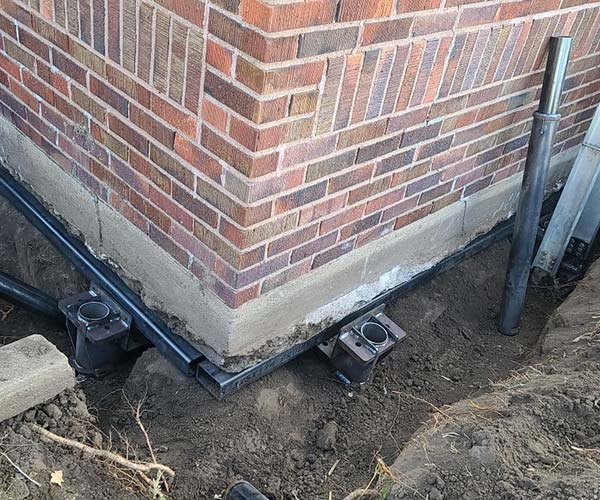
- Piering: usually the most expensive, often $1,500 to $3,000 or more per pier
Ask each contractor, “Is there a less expensive way to solve this?” If they recommend piers, ask them to explain why nothing simpler will work. A good contractor will walk you through it honestly.
6. Separate Structural Work from Cosmetic Work to Lower Foundation Repair Costs
Foundation repair often comes bundled with extras like drywall patching, repainting, and flooring fixes. Some companies charge a premium for all of it.
Consider handling the cosmetic work yourself or hiring a handyman after the structural work is done. Patching drywall and repainting a wall doesn’t need a foundation specialist, and doing it separately can save real money.
7. Be Smart About Timing
If your problem isn’t an emergency, you have some flexibility. Contractors tend to be busiest in spring and summer. Booking in a slower season, such as late fall or winter in many areas, may get you a better price or a quicker schedule.
If you’re also planning other work like regrading, landscaping, or plumbing repairs, try to schedule it together so you pay for equipment and labor only once.
8. Check Your Insurance and Warranties
Standard homeowners insurance usually doesn’t cover foundation damage caused by settling or soil movement. But it sometimes covers damage caused by a sudden event, such as a burst pipe. It’s worth a phone call to your insurer.
Also look at:
- Your home warranty plan, if you have one (read the exclusions closely)
- A builder’s warranty, if your home is fairly new
- Local or state assistance programs for home repairs
Even if nothing applies, you’ll know for sure instead of guessing.
9. Ask About Financing, Discounts, and a Transferable Warranty
Many foundation companies offer payment plans, and some have 0% introductory financing. Financing won’t lower your foundation repair costs, but it can spare you from draining your savings
It also never hurts to ask:
- Do you offer discounts for paying in full or for seniors and veterans?
- Will you match a competitor’s quote?
- Is your warranty transferable if I sell the house?
That last one matters. A transferable warranty can add value when you sell and save a buyer’s headaches later.
The Bottom Line
You can’t control what your foundation needs, but you can control your foundation repair costs by spending smartly. Catch problems early, get an unbiased inspection, compare quotes, and deal with water before anything else. Those four steps alone can save you thousands.
Note: Prices in this article are general estimates and vary by location, soil type, and home size. Always get written quotes for your own situation.
Frequently Asked Questions
How much does foundation repair cost in 2026?
Most homeowners spend between $2,000 and $8,000. Minor crack repairs can cost a few hundred dollars, while major jobs like piering can climb past $15,000. The final price depends on your soil, home size, and the repair method.
Does homeowners insurance cover foundation repair?
Usually not. Standard policies typically exclude damage from settling or soil movement. They may cover damage from a sudden event, such as a burst pipe, so it’s worth calling your insurer to ask.
Is foundation repair worth the cost?
In most cases, yes. Ignoring foundation problems lets them get worse and more expensive, and they can lower your home’s value or make it harder to sell. Fixing them early protects both your safety and your investment.
Can I repair a foundation myself to save money?
Small hairline cracks and drainage fixes, like extending downspouts, are reasonable DIY jobs. Structural problems such as sinking, bowing walls, or large cracks need a professional, because a wrong fix can make things worse and cost more lately.
How long does foundation repair take?
Minor crack repairs often take a day or less. Larger jobs like piering usually take several days to a week, depending on how many piers are needed and the weather.
Should I hire a structural engineer before a repair company?
It’s a smart move. An independent engineer (about $300 to $1,000) tells you what’s really wrong and what fix are needed, so you can compare quotes fairly and avoid paying for work you don’t need.