
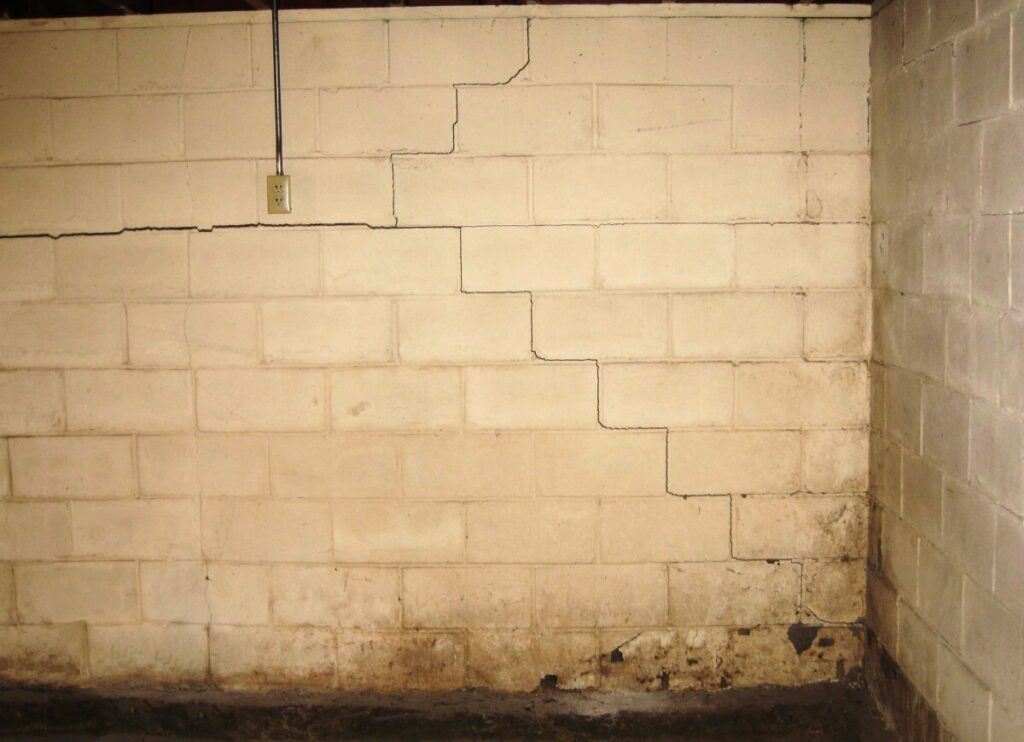
Foundation repair cost factors explain why prices range from a few hundred dollars for a hairline crack to $23,000 or more for severe structural damage. Most US homeowners pay between $2,224 and $8,134. So why does the price swing so widely from one house to the next?
Table of Contents
Eight foundation repair cost factors decide your final bill. Once you understand them, you can read a contractor’s quote with confidence, spot an unfair price, and find smart ways to save.
Quick Summary: Foundation Repair Cost Factors at a Glance
| Factor | Typical Effect on Foundation Repair Cost |
| Damage type and severity | Biggest single driver |
| Repair method | Ranges from $250 to $3,000+ per repair point |
| Foundation type | Changes the method and the labor |
| Size of the affected area | More piers or cracks means a higher bill |
| Soil conditions | Decides which fix works and whether it lasts |
| Water and drainage problems | Adds $500 to $5,000+ if you need a fix |
| Site access | Tight or cluttered spaces raise labor hours |
| Location, contractor, and permits | Changes labor rates and fees |
1. Type and Severity of Damage
Severity is the biggest of the foundation repair cost factors and sets the baseline for your bill. A small, stable crack needs a quick patch. A sinking corner or a bowing wall needs heavy equipment and a skilled crew.
Here is what homeowners typically pay:
- Minor cracks: $250 to $800
- Moderate settlement or sinking: $2,000 to $7,000
- Severe structural damage: $10,000 to $23,000 or more
Pay attention to crack width and direction. Horizontal cracks and stair-step cracks in block walls usually signal serious pressure, and they cost more to fix than thin vertical cracks.
Tip: Measure and photograph every crack today. Check them again in a month. A crack that grows tells your contractor, and your wallet, that you need to act fast.
2. Repair Method
Each repair method carries its own price tag. Contractors choose the method based on what your foundation needs, so the method you need directly shapes your foundation repair cost.
| Repair Method | Typical Cost |
| Crack injection or sealing | $250 to $800 |
| Slabjacking or foam leveling | $500 to $2,500 |
| Wall anchors or carbon fiber straps | $400 to $1,000 each |
| Push piers or helical piers | $1,500 to $3,000+ per pier |
| Major reconstruction | $20,000 or more |
Piering costs the most because crews dig down and anchor your foundation to stable soil or bedrock. It also solves the deepest problems.
Tip: Ask every contractor, “Is there a less expensive method that will still solve the problem?” A trustworthy company will answer with specifics.
3. Foundation Type
Your home sits on one of three common foundation types, and each one breaks, and gets repaired, in its own way.
- Slab foundations: Crews often use piers or foam leveling. Plumbing lines under the slab can complicate the job and raise the price.
- Pier and beam (crawl space) foundations: Repairs often involve shimming, replacing beams, or adding supports. These jobs usually cost less than slab piering.
- Basement foundations: Walls take heavy soil and water pressure. Repairs often include wall anchors, crack sealing, and waterproofing, which push the foundation repair cost higher.
4. Size of the Affected Area
A bigger problem area means more work, more materials, and more time. A contractor who needs two piers charges far less than one who needs fifteen.
Square footage matters too. Repairing one corner of a house costs less than stabilizing an entire side. Many companies price piers individually, so the count drives the total.
Tip: Ask for a written quote that lists the exact number of piers, anchors, or linear feet of crack repair. That detail lets you compare bids fairly.
5. Soil Conditions and Climate
Soil moves, and your foundation moves with it. Soil type ranks among the most important foundation repair cost factors, because it affects both the cause of the damage and the fix.
- Expansive clay soil swells when wet and shrinks when dry. It causes heavy foundation problems in Texas, Colorado, and much of the South.
- Sandy soil drains fast but can wash away and leave voids under the slab.
- Freeze-thaw cycles in northern states push soil up and drop it back down.
- Sinkhole-prone ground, common in parts of Florida, calls for specialized stabilization.
Difficult soil may require deeper piers, more supports, or extra engineering. Those upgrades add to the bill, but they also help the repair last.
6. Water and Drainage Problems
Water causes more foundation damage than almost anything else. If your gutters dump water beside the house or your yard slopes toward the walls, a repair alone won’t hold.
Contractors often add drainage work to protect your investment. Typical extras include:
- Gutter and downspout extensions: $50 to $500
- Regrading the yard: $500 to $3,000
- French drains or sump pumps: $1,000 to $5,000+
- Plumbing leak repair: varies widely
Skip the drainage fix and you may pay for the same foundation repair twice. Treat the water problem first, and you often lower your total foundation repair cost over time.
7. Site Access and Conditions
Contractors need room to work. When they can’t reach the damage easily, labor hours climb, and so does the price.
Access problems that raise your quote include:
- Decks, patios, or porches over the repair area
- Dense landscaping or mature trees near the walls
- Finished basements or low, tight crawl spaces
- Limited space for digging equipment
Tip: Clear shrubs, furniture, and storage away from the work area before the crew arrives. A clean site can shave time off the job.
8. Your Location, Contractor, and Permits
Where you live is one of the foundation repair cost factors you can’t control. Labor rates run higher in large cities and on the coasts than in rural areas. Local building codes also change what the job requires.
Three more costs deserve attention:
- Engineer’s report: $300 to $1,000. Many cities require one for major repairs.
- Permits: Often $100 to $500, depending on your city.
- Contractor pricing: Companies differ in overhead, warranties, and crew quality. The lowest bid does not always deliver the best value.
An independent structural engineer gives you an unbiased diagnosis. You can hand that report to every contractor, so each one bids on the same job.
How to Get an Accurate Estimate From the Foundation Repair Cost Factors
Follow these four steps to avoid surprises:
- Document the damage. Take dated photos of cracks, gaps, and sticking doors.
- Hire a structural engineer. Get an independent report before you talk to repair companies.
- Collect at least three written quotes. Compare the method, materials, quantities, and warranty, not just the total.
- Ask about the warranty. Look for a lifetime, transferable warranty that covers the repaired area.
Frequently Asked Questions
How much does foundation repair cost on average in 2026?
Most homeowners pay between $2,000 and $8,000. Minor crack repairs cost a few hundred dollars, while major piering jobs can top $15,000.
Which foundation repair cost factors make quotes vary so much?
Each house has different damage, soil, access, and repair needs. Companies also use different methods and set different prices, so always compare itemized quotes.
Does homeowners insurance cover foundation repair?
Usually not. Standard policies exclude settling and soil movement. They may cover damage from a sudden event, such as a burst pipe, so call your insurer to ask.
Can I lower my foundation repair cost?
Yes. Act early, fix drainage problems, get three quotes, and ask whether a simpler repair method will work.
Should I repair a small crack right away?
Monitor it first. If it stays thin and stable, a simple seal may be enough. If it widens or runs horizontally, call a professional.
The Bottom Line on Foundation Repair Cost Factors
The eight foundation repair cost factors are damage severity, repair method, foundation type, project size, soil, water, access, and location. You can’t change your soil or your house, but you can control how fast you act and how carefully you compare quotes.
Start with an engineer’s inspection, fix your drainage, and collect three itemized bids. Those steps give you the clearest picture and the best chance to save.
Note: Prices in this article are general estimates. They vary by region, soil, and home size. Always get written quotes for your own property.